Turtle Vape
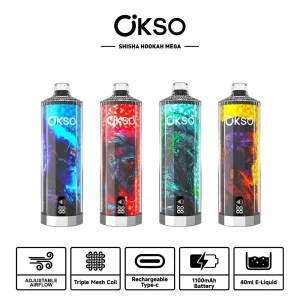
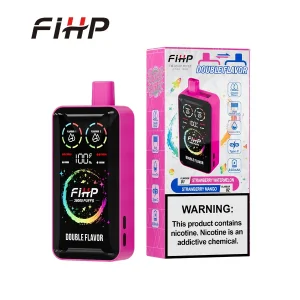
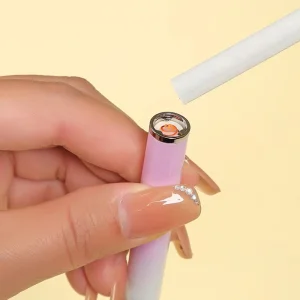
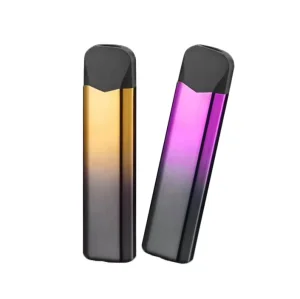
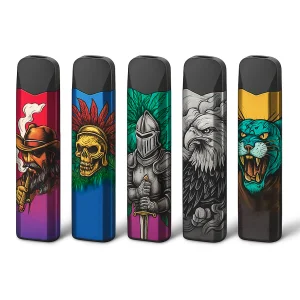
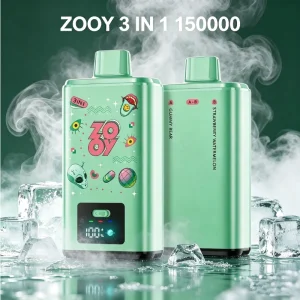
In the modern vaping industry, flavor development has transitioned from basic single-note formulations to complex, multi-layered chemical pairing profiles. As a leading manufacturer, Shenzhen Turtle Vape Co., Ltd. utilizes state-of-the-art analytical chemistry to study how flavor molecules interact at various temperatures. Dynamic vapor systems require an understanding of how aromatic aldehydes, esters, and terpenes behave under the thermal stress of heating coils.
Flavor pairing in vaping is governed by chemical synergy. When two or more compounds are mixed, they can enhance, suppress, or modify the overall sensory perception. For instance, pairing a sharp citrus terpene (such as limonene) with a rich cream note (often containing acetylpropionyl) requires precise balancing of boiling points to ensure that the user experiences a cohesive profile throughout the inhalation and exhalation cycle, rather than an uncoordinated, fragmented delivery.
Crucially, the medium of delivery—primarily a mixture of Vegetable Glycerin (VG) and Propylene Glycol (PG)—affects flavor release. PG acts as a highly effective carrier for organic flavor compounds due to its lower viscosity and polar nature, whereas VG provides the density and body of the aerosol cloud but can slightly mute delicate high-note flavor molecules. Determining the optimal VG/PG ratio is therefore a core phase in our OEM flavor development pipeline.